

 (215) 677-2401
Root Canal Therapy – Philadelphia, PA
Stop Your Pain,
Save Your Tooth
There is a common misconception that root canal therapy is an extremely painful procedure. In fact, the opposite is true: a root canal can stop severe, persistent tooth pain while also preventing infections from spreading further than they already have. Do you have a toothache that has only grown worse over time? Get in touch with Dentex Dental of Philadelphia; after a quick examination, we can decide whether root canal therapy from our Philadelphia, PA dentist is necessary to provide the relief you need.
Why Choose Dentex Dental of Philadelphia for Root Canal Therapy?
- Comfortable Dental Office & Sedation Options
- Modern Dental Office with Advanced Tech
- Same-Day Crowns Available
The Root Canal Procedure
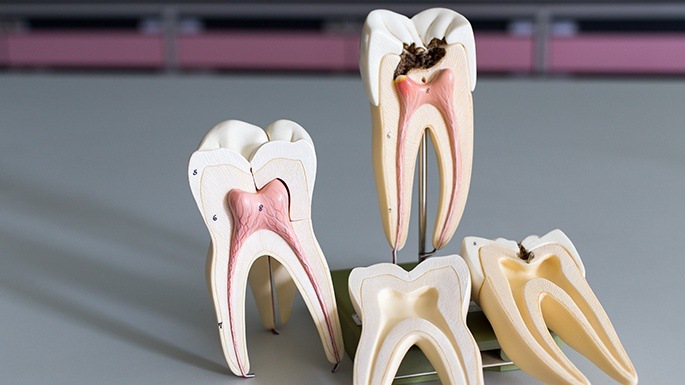
At the beginning of the procedure, we’ll use X-rays to check the shape of the root canals inside the tooth and make sure the infection hasn’t spread to the surrounding bone. We’ll then numb the area and open the tooth so that we can remove the pulp – the soft tissue inside the tooth that can become inflamed or infected. The next step is to clean the inside of the tooth thoroughly so that no bacteria or infectious material remains. The final step is to refill and reseal the tooth; a crown is often required afterward.
Reasons for a Root Canal
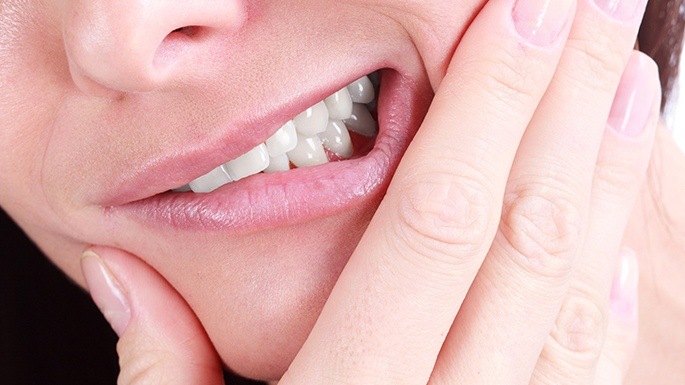
Root canal therapy is performed when the tooth’s nerve tissue, or pulp, has been infected. The longer the infection goes on, the worse it becomes, and it will never heal or go away on its own. Eventually, the tooth will be damaged to the point where it can no longer be saved. Also, the infection can spread beyond the tooth and start attacking the underlying bone. In extreme cases, the bacteria can reach other parts of the body and could even put your life at risk.
Understanding the Cost of Root Canals
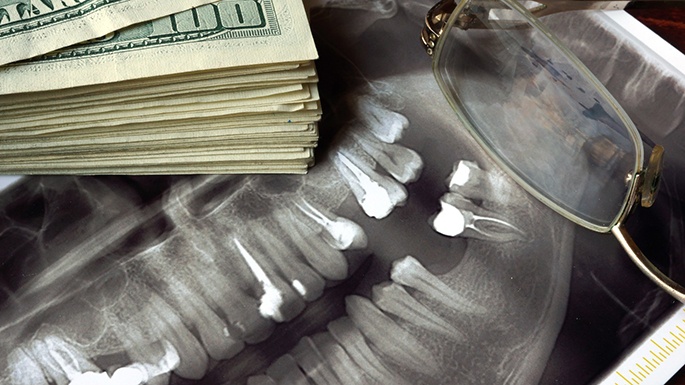
When you need a root canal, you probably have enough on your mind without thinking about the cost of the treatment. That being the case, we take the time to make sure that our patients understand the price of root canal treatment fully, and are able to make their treatment fit their budget.
Until we can meet you in person and give you a detailed estimate of what your care will cost, here’s what you should know about the cost of a root canal.
Factors That Can Affect Root Canal Cost
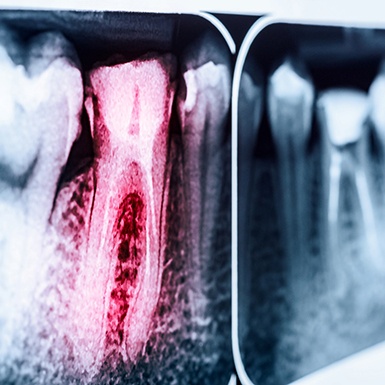
The reason why can’t just tell you here what your root canal is likely going to cost is because the price can vary based on several factors. The first is what kind of tooth you’re treating—molars have more roots than other teeth, and may therefore cost more to repair. In some cases you may also need to work with an external specialist who will have their own rates for care.
Finally, your root canal will likely be capped off with a dental crown, the material and design of which will affect its price.
Is it Cheaper to Pull My Tooth?
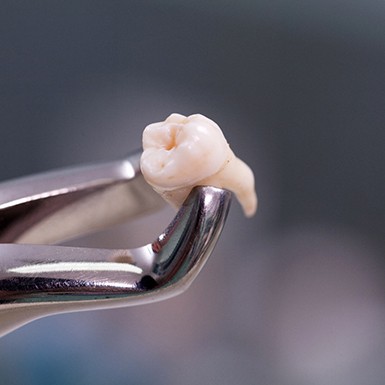
Patients sometimes look at the price of a tooth extraction and are tempted to simply remove their tooth, opting for what appears to be the less expensive treatment. However, these people overlook the hidden cost of a tooth extraction: tooth replacement.
If you leave a gap in your smile, the surrounding teeth could start to move out of place, affecting both their look and their function. For this reason, it’s necessary to follow up a tooth extraction with a dental bridge, denture, or dental implant.
When you consider the cost of a tooth extraction and replacement, a root canal is the much cheaper option.
Does Dental Insurance Cover Root Canals?
Root canal treatment is almost always going to be covered by insurance, given that they’re only done in situations where they’re medically necessary. Patients typically have anywhere from 50 to 80% of the cost of their root canal covered, though we’ll have to coordinate with your dental plan to determine for sure what kind of coverage you can get.
If you have questions about this or any other aspect of the cost of root canals, give us a call and we’ll talk about how to make care affordable for you!
Root Canal FAQs
How Much Pain Is Normal After a Root Canal?
While root canal treatment itself is completely painless, it’s normal for people to be a little bit tender for a few days after the procedure. This should be mild and short-lived, handled easily with over-the-counter pain relievers.
If you find that your tooth is bothering you, make sure you’re steering clear of any foods or bad habits that could disturb your tooth. Within three or four days, you should feel just fine.
What Should I Do Before a Root Canal?
While you don’t have to do that much to prepare for your root canal, there are probably a few things that it’s smart to keep in mind:
- Avoid nicotine and alcohol before the procedure.
- Take an over-the-counter pain reliever beforehand so that it’s kicked in by the time your numbness wears off.
- Eat well and get a good night’s sleep the day before. This will ensure that your immune system is working optimally, making infection less likely.
Can I Take Antibiotics Instead of Getting a Root Canal?
While antibiotics are effective on most bacterial infections, they’re insufficient on their own to treat those in the mouth. This is because antibiotics work by moving through the bloodstream, but cannot enter the root pulp of a tooth via this method.
If you’re suffering from pulpitis—the primary infection that would necessitate a root canal—antibiotics aren’t going to be enough to help you.
Do Root Canals Ever Have to Be Redone?
While rare, it is occasionally necessary for a root canal to be redone. It could be that saliva contaminated the tooth during treatment, that it took too long to get your dental crown, or that there was more infected root tissue in your tooth than was expected. It may also happen that a root canaled tooth could develop another infection via a new area of decay, so be sure to take care of a tooth after it’s been treated.
Can Root Canals Be Prevented?
Oftentimes, yes! If you want to avoid needing a root canal (or needing another root canal), it’s important to prioritize preventive care. That starts with your at-home oral hygiene regimen and extends to limiting your intake of sugary and starchy snacks. Additionally, you need to schedule a dental checkup and cleaning at our office every six months. That way, we can catch and treat cavities in the early stages, before a root canal is needed.
What Happens if You Wait Too Long for a Root Canal?
Many patients are tempted to take the “wait and see” approach, especially if they struggle with dental anxiety. However, your teeth cannot heal on their own. So, the longer you wait, the more time the infection has to progress. There may even come a time when the tooth can no longer be saved, requiring us to perform an extraction. To put it simply, getting the dental care you need when we first recommend it benefits both your smile and your wallet!
Are Root Canals Painful?
To this day, root canals are one of the most feared dental procedures. However, the reputation and reality are vastly different. For example, a widely held belief is that eliminating the infection hurts. The truth is that the first step is always the same: to numb the patient’s mouth. Plus, detailed aftercare instructions are given to ensure the healing period goes smoothly as well. So, if you have been hesitant to schedule an appointment due to fear of discomfort, we can confidently say that you don’t have anything to worry about. We’ll go the extra mile to make your experience positive from start to finish!
Are Root Canals Covered by Insurance?
Oftentimes, the cost of root canals in Philadelphia is partially covered by dental insurance providers. So, if you are insured, don’t hesitate to provide us with your membership information! We’re proud to work with several popular providers, including Guardian, Aetna, MetLife, and Cigna, and we’d be happy to assist with the process of utilizing your available benefits.
Do Root Canals Make You Sick?
In order to debunk this myth, we need to go back to the 1920s. At the time, a dentist named Dr. Weston Price claimed that it was better to extract the tooth since root canals didn’t remove all of the bacteria. However, his research was poorly designed, his findings have been disproven, and there currently isn’t any scientific evidence supporting the claim that root canals lead to illness. That’s why we always recommend fact-checking anything you’ve heard with our dentists!
Do I Still Need a Root Canal if My Toothache Went Away?
If we recommended a root canal to alleviate your pain and restore your tooth, you might assume that you can cancel your appointment if there is a change in your symptoms. That’s not the case! After all, it’s likely due to something more dire: the infection killing the nerve of your tooth. So, it’s still of the utmost importance that you visit one of our emergency dentists ASAP.
Preventive Dentistry Periodontal (Gum Disease) Therapy Restorative Dentistry Dental Implants Cosmetic Dentistry Orthodontics/Clear Aligners Emergency Dentistry Wisdom Teeth Extractions View Our Services
-->