

 (215) 677-2401
Wisdom Tooth Extractions - Philadelphia, PA
Are Wisdom Teeth
Causing You Pain?
Between the ages of 17 and 25, your wisdom teeth are likely to start to appear in your mouth. More often than not, these extra teeth aren’t able to emerge fully from beneath the gums, leading to complications such as infections and damage to the roots of the nearby teeth. At Dentex Dental of Philadelphia, we can examine your mouth and look for signs of problematic wisdom teeth so that we can schedule an extraction before they cause any major issues. Call us today to schedule your next appointment for wisdom tooth extractions in Philadelphia, PA.
Why Choose Dentex Dental of Philadelphia for Wisdom Tooth Extractions?
- Knowledgeable, Caring Dentists
- Dental Sedation for Your Comfort
- Technologically Advanced Dental Office
When is a Wisdom Tooth
Extraction Really Necessary?
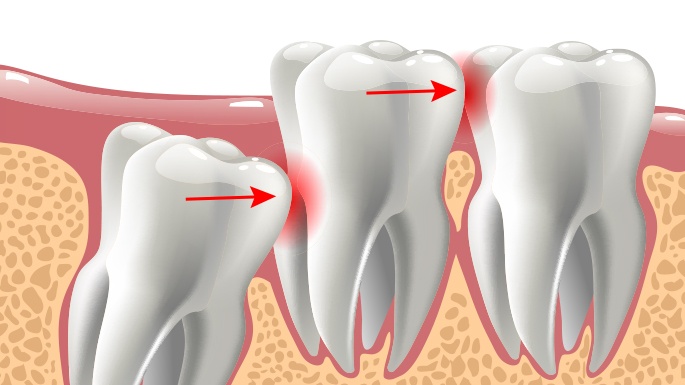
If your wisdom teeth come in without causing pain or affecting the other teeth, then there’s no need to remove them. However, we will generally recommend an extraction in Northeast Philadelphia if you start experiencing any of these symptoms:
- Gums that have become red, swollen, tender, or start bleeding easily
- Constant pain in your jaw around the area where the wisdom teeth have become impacted
- Swelling around your jaw
- Bad breath and an unpleasant taste in your mouth
- Difficulty opening and closing your jaw
Understanding the Cost of Wisdom Tooth Extractions

Wisdom teeth are not necessarily needed in most people, and they can often do more harm than good when it comes to the rest of your smile. Whether you have an impacted molar or you need to make more space in your mouth for orthodontic treatment, our team can help you avoid potential complications by removing them. We’ll also talk about how much this procedure will cost during your consultation, as well as how to make wisdom tooth extractions cost-effective.
Factors That Can Impact the Cost of Wisdom Tooth Extractions

The exact price of this treatment will vary greatly, especially since no two smiles are the same. That said, here are some of the common things that could affect how much you’ll end up paying for the procedure.
- The number of teeth: Similar to regular tooth extractions, the more wisdom teeth that need to be removed, the higher the cost of the treatment. Our team will determine the best way to proceed with your procedure after thoroughly examining your mouth and teeth.
- Impacted teeth: Those with wisdom teeth that are coming out sideways or pushing against other teeth will require a more complex treatment plan. Not only can the length of the procedure be increased, but so will the price.
Does Dental Insurance Cover Wisdom Tooth Extractions?

Most dental insurance companies will consider wisdom tooth extractions to be a “major restorative procedure,” so you can often expect your insurer to offer some coverage for the price. Once you’ve met your annual deductible and you’ve reached your yearly maximum, around 50% of the total cost of your treatment should typically be paid for. Of course, the specific amount will vary from patient to patient, so you’ll need to verify the details of your policy with your provider so that you know the ins and outs of your coverage plan.
At Dentex Dental Group, our team is in-network with a wide range of dental insurance companies, including Aetna, MetLife, Cigna, and Blue Cross Blue Shield. Reach out to your provider or speak with our front desk team to learn more about your benefits and how you can make the most of your perks so that your wisdom tooth extraction fits your budget.
Wisdom Tooth
Extraction Aftercare
Having wisdom teeth removed in Bustleton is a surgical procedure, so it’s important that you follow our directions for taking care of your mouth while you recover. Hold gauze over the surgical site until any bleeding has completely stopped. Do not rinse vigorously, use a straw, or smoke while your mouth is healing. Gently rinsing with saltwater two or three times a day will help reduce your risk of infection. Initially, stick to a soft food diet and gradually work your way back to more solid foods.
Wisdom Tooth Extractions FAQs
Why Do We Have Wisdom Teeth?
While people today often feel like their wisdom teeth are nothing but trouble, the truth is that these large third molars were incredibly important to our ancient ancestors. Before humans figured out how to cook their food, they had to subsist on a diet of coarse, raw animal and plant matter, so they needed the extra force their wisdom teeth provided to pulverize their meals into pulps that could be easily digested. The jawbones of modern people, on the other hand, are usually smaller than those of primitive humans, so the emerging wisdom teeth can cause a host of issues like chronic pain, dental misalignments, hygiene difficulties, and oral infections. This makes it best for many people to have their third molars removed. However, some research suggests that a person who enjoyed a coarser diet in early childhood may be more likely to be able to keep their wisdom teeth.
Does Everyone Have Wisdom Teeth?
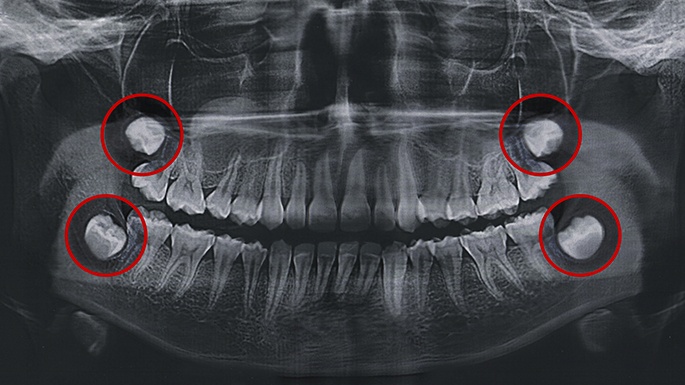
Most people have all four wisdom teeth, but some are born with only three, two, one, or even none. Some experts estimate that between 5% and 37% of the population is born with fewer than four wisdom teeth, and this may be due to genetic factors. However, a person may have wisdom teeth even if they don’t see them since they sometimes fail to emerge from the gum tissue, which makes them impacted. Impacted wisdom teeth are likely to be infected and can be quite uncomfortable, so it’s best to remove them. Most people receive their wisdom teeth between the ages of seventeen and twenty-one, and x-rays may be necessary to determine how many need to be removed.
What’s the Best Age to Have Wisdom Teeth Removed?
While there is no specific age by which everyone should have their wisdom teeth removed, most dental professionals recommended extracting them in early adulthood if they are causing problems. While they can be removed later in life, the recovery process might be less comfortable for older patients. Having your wisdom teeth removed as a young adult can also be more convenient since you may be able to schedule it during a break from school so you have time to rest and recover. The team at Dentex Dental Group will be happy to determine if you need your wisdom teeth removed when we see you for your checkup or consultation.
How Long Does Wisdom Tooth Surgery Take?
Since you will probably be sedated when having your wisdom teeth removed, it may seem like the procedure takes no time at all. It usually takes fifteen to twenty minutes to remove a single wisdom tooth, and removing all four can take up to ninety. However, this can vary based on factors like where the tooth is located, how it is angled, and whether it is impacted. Our dentist in Philadelphia will be happy to provide you with a proper estimate of how long your wisdom tooth extraction will take during your consultation.